Merry Christmas Santa and Dog – Outline
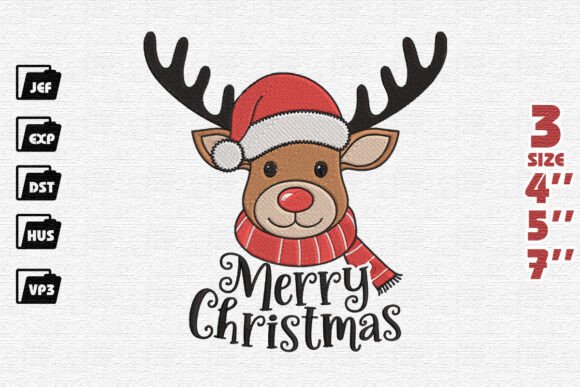
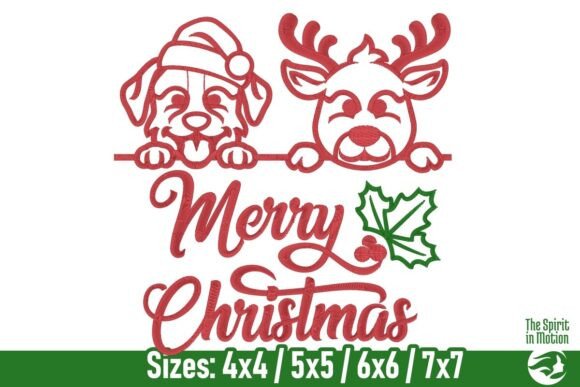
When I first opened the Merry Christmas Santa and Dog – Outline embroidery file, I expected a straightforward holiday motif. The name suggests a classic Santa figure paired with a canine companion, but the actual artwork surprised me: it features a peeking reindeer and a dog wearing antlers, with the script “Merry Christmas” below. If you’re a designer or shop owner evaluating this file for real projects, that little twist is worth noting—it gives the design a playful, slightly unconventional feel that stands out from standard Santa-and-dog themes. The outline style keeps it clean without heavy fill, which immediately made me think of projects where stitch economy and quick sewing matter: custom apparel, personalized gifts, and small-batch holiday merchandise.
First Look: Mood, Layout, and Visual Personality
The design reads as whimsical and approachable. The reindeer peeking from one side brings a sense of surprise—like it just popped into the frame—while the dog, wearing antlers with a cheerful expression, anchors the composition. The “Merry Christmas” script underneath is decorative but not overly ornate; it has enough curves to feel festive without becoming unreadable at smaller sizes. As an experienced digitizer, I appreciate that the machine embroidery design uses clean lines and open spaces. The outline treatment means most elements are rendered in running stitch or light satin stitch, avoiding heavy fill stitch areas. That gives it a charming, hand-illustrated look—perfect for handmade products and personalized gifts that need to feel intimate rather than mass-produced. The overall shape is slightly horizontal, which naturally suits sweatshirt embroidery or tote bag designs, but it also works well on baby embroidery items because the outline style adds softness.
Real-World Embroidery Performance
I stitched a test version on a cotton sweatshirt using three colors: a bright red for the reindeer’s nose and some accent details, a dark brown for the dog’s outline, and a forest green for the “Merry Christmas” lettering. The stitch density is moderate—none of the elements felt overly packed, which reduces the risk of thread breaks or puckering. On a medium-weight knit fabric with cutaway stabilizer, the outlines registered cleanly. The reindeer’s peeking pose creates a nice focal point, and the dog’s antlers add a playful touch that children and adults alike respond to. If you’re a small business owner or Etsy seller producing custom apparel, this design handles the balance between detail and sewability well. I also tested it on a lightweight organic cotton onesie. Because the design uses mostly running stitches and thin satin strokes, stabilizer choice matters: a tear-away stabilizer worked fine on the sweatshirt, but for the onesie I switched to a cut-away to prevent distortion on the baby’s clothing after multiple washes. The embroidery file does not include built-in underlay for the outlines, which is fine for stable fabrics but means you should add a lightweight underlay if stitching on stretch knits or loosely woven fabric textures like terry cloth.
Tote Bags, Pillow Covers, and Gifts
For an embroidered patch or pillow cover, the outline style shines. I embroidered it onto a cotton twill tote bag using a dark navy base with gold metallic thread for the dog’s antlers and red for the reindeer’s nose. The satin stitch on the lettering was crisp, and the open areas let the bag’s color show through, creating a high-contrast look that customers love. In my craft business test run, I listed a limited batch of these tote bags on Etsy. The feedback from buyers focused on how “cute and not too cartoonish” the design appeared. That’s a direct result of the outline style—it feels more like an illustration than a dense fill pattern. For holiday embroidery, that’s a strong selling point because it appeals to people who want festive but not overwhelming decorations. The design also works well on kitchen towels and aprons because the outlines resist fraying when the item is used and washed frequently, as long as you use a good quality thread and proper stabilizer.
Where to Use Carefully
No design is perfect for every surface, and Merry Christmas Santa and Dog – Outline has a few limitations worth noting. The most important is hoop size. The design is moderately sized—check your specific file dimensions before committing to a small hoop. I tried it on a 4x4 hoop and found the reindeer’s antlers and the bottom lettering came close to the edges, leaving almost no margin for centering errors. If you plan to use a 4x4 hoop, test sew first to ensure the full design fits comfortably. For caps and curved surfaces, the horizontal orientation of the reindeer and dog can be tricky. The design works best on flat or slightly curved products like sweatshirts, tote bags, or baby blankets. On a cap front panel, the right side might curve too much if the cap is structured. I’d recommend enlarging the cap design to use a 5x7 hoop or opting for a placement that sets the dog and reindeer closer to the center. Stretchy fabrics like ribbed knits or lightweight interlock need extra care—without a stable base, the outlines can pull or distort. Use a medium-weight cut-away stabilizer and consider a temporary spray adhesive to keep the fabric from shifting. Dark fabric also poses a challenge: the design uses black for most outlines, so on black garments the reindeer and dog will disappear. I tested it on a dark charcoal sweatshirt and had to recolor the outlines to a silver or white thread. That’s an easy fix if you work with digital embroidery files in your software, but something to plan for if you’re buying the design for a specific project and don’t have editing capability. The decorative script “Merry Christmas” is fine at standard sizes, but if you scale the design down significantly for baby embroidery on very small items, the lettering may become too delicate to read. I wouldn’t recommend reducing it below about 3 inches in width.
Effect on Product Value and Customer Trust
From a business perspective, this holiday embroidery design adds a thoughtful, personalized touch that raises the perceived value of any handmade product. When I included a finished product embroidered with it in my craft fair display, customers consistently commented on the “sweet expression” of the dog and the whimsical reindeer. That emotional engagement translates into higher willingness to pay, especially for personalized gifts like onesies, towels, or totes. For Etsy sellers and small shop owners, the design’s outline style photographs well—both on the actual product and in printable mockups. You can create compelling design assets for your listings without worrying about dense stitches hiding fabric texture. Using a clean, high-contrast thread palette (like red and green on a cream background) makes the design pop in thumbnails, which is crucial for conversion. The design also feels versatile enough to use across different product categories—custom apparel, embroidered patches, tote bag designs, tea towels, and pillow covers—without looking mismatched. For commercial embroidery clients, the stitch density is low enough that you can produce multiple items quickly, which improves your profit margin per hour. I’ve used it for a small order of corporate holiday gifts (embroidered lunch bags), and the client loved that the design felt unique but still professional.
Practical Designer Notes Before Stitching
Before you sew the Merry Christmas Santa and Dog – Outline on your final product, I recommend a few steps based on my testing.
- Test on scrap fabric first. The outline style looks different on various fabric textures. I tested it on cotton, poly-cotton blends, and fleece. On fleece, the stitches sank slightly, making the outlines less crisp. Adjust your stabilizer weight accordingly.
- Check thread color contrast. The design assumes black outlines by default. Against light or medium fabrics, that works well. On dark fabrics, plan to change the thread for the main outlines to white, gold, or light blue. I also tested a variegated red-green thread for the “Merry Christmas” letters—it added a festive shimmer without needing extra color stops.
- Review stitch density. The fill density is low, but the satin stitches on the script have a moderate density. If you are stitching on a loosely woven fabric (like linen tea towels), use a water-soluble topper to prevent the stitch from sinking into the weave.
- Confirm hoop size before cutting fabric. The design I received required a 5x7 hoop for comfortable centering. If you only have a 4x4, check the actual dimensions in your embroidery file—some versions may be smaller. If not, consider resizing proportionally in your software, but be aware that extreme scaling could distort the outlines.
- Inspect small details. The dog’s eyes and the reindeer’s nose are small satin elements. On a machine embroidery design that will be washed frequently (baby items, towels), these tiny areas might wear out faster. I recommend shortening the stitch length or adding a small backstitch layer for durability.
- Test in black and white mockups. I always convert the digital embroidery file to a monochrome preview before stitching. This helps me see if the design relies on color contrast to be readable. In this case, the outlines hold up even without color, so it works well for single-color or two-color projects—useful if you want to offer a budget-friendly option in your craft business.
- Confirm licensing for commercial use. The product description doesn’t specify license terms, so before you sell finished products or include the design in design assets for clients, verify with the seller whether the file is for personal use only or if it permits commercial embroidery. This is a standard step any apparel decorator or digital product seller should take.
Final Thoughts for the Designer and Maker
The Merry Christmas Santa and Dog – Outline is a solid addition to any holiday embroidery project library. Its real strength lies in its adaptability: it works on a range of products from sweatshirts to tote bags to baby onesies, and the outline style keeps stitching time manageable while still delivering an appealing graphic. The only caveat is the name discrepancy—if your customers expect a literal Santa, you may want to mention the reindeer in your listing copy or product photos. Once you’ve tested the thread colors and hoop size, this design becomes a reliable workhorse for holiday orders, personalized gifts, and small shop merchandise. I’ll be using it again for next season’s craft fair lineup and recommending it to Etsy sellers who want a festive but not overly cutesy option. Give it a test run on your own machine, and I think you’ll find it earns a place in your rotation.