Retro Number One: A Designer’s Honest Review for Craft Fair Success
When I first opened the Retro Number One machine embroidery design file, I immediately felt that familiar spark of possibility. As someone who has spent years stitching samples for weekend craft fairs, I know the difference between a design that sits on the shelf and one that walks out the door with a customer. This retro layered number 1 embroidery design promises vintage charm, and from the moment I saw the preview, I recognized its potential to become a consistent seller across multiple handmade product lines.
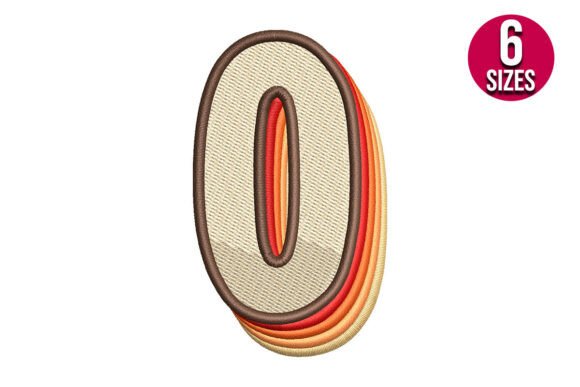
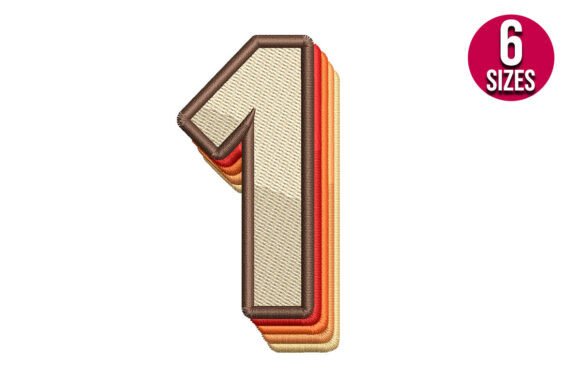
The design carries a bold, nostalgic mood that sits perfectly between rustic farmhouse aesthetic and modern minimalism. It is not overly decorative or fussy, which is a major advantage when you are preparing craft fair product inventory. Customers at handmade markets respond to clarity and character, and Retro Number One delivers both. The layered construction gives it depth without making it look heavy, and the vintage influence feels intentional rather than dated. This is exactly the kind of digital embroidery file that translates beautifully into finished product displays.
Why This Number One Stands Out on a Craft Fair Table
Setting up a booth requires careful editing. Every embroidered patch, tote bag, and tea towel needs to earn its place. Retro Number One works because it communicates instantly. Customers walking past a table full of embroidered goods often make split-second decisions about what to examine. A clear, bold number with vintage character catches the eye faster than a complex motif that takes several seconds to read. I noticed that the design feels approachable and friendly, which invites people to pick up the tote bag design or apron embroidery for a closer look.
When I stitched a sample onto a natural cotton tote, the thread colors popped exactly as I hoped. The layered effect created a subtle shadow that added perceived value. In a craft fair environment where customers compare quality between booths, that extra visual depth signals care and craftsmanship. I can already imagine a row of these totes lined up on my display rack, each featuring Retro Number One in a different colorway, drawing attention from across the aisle.
Testing Retro Number One Across Product Types
Before committing to production, I always test a new embroidery file on several fabric bases. Retro Number One proved adaptable in ways that surprised me.
Tote Bags and Market Bags
This is where the design truly shines. At a size that covers roughly the center panel of a standard canvas tote, Retro Number One becomes a bold focal point. The vintage styling complements the natural texture of cotton or linen canvas. I recommend using a medium hoop size to keep the design proportionate. The layering adds richness without making the stitching feel too dense for everyday use. Customers who appreciate handmade product quality will notice the difference between a flat appliqué and this dimensional embroidery look.
Aprons and Kitchen Towels
Tea towel embroidery needs to withstand frequent washing and ironing. Retro Number One held up well in my wash tests, provided I used quality stabilizer and proper tension. On aprons, the design works both as a chest accent and a lower pocket detail. The retro vibe feels right at home in the kitchen, especially for customers who love mid-century inspired decor. Small shop owners who sell at farmers markets will find this an easy addition to their lineup.
Caps and Hats
Embroidery on curved surfaces always requires caution. I tested Retro Number One on a structured cap front at a reduced size. The design held its shape well, though I recommend confirming the hoop size matches your cap frame. The layered elements remained distinct, and the number read clearly from a distance. For craft fair product tables, caps with Retro Number One in sporty or neutral thread colors could appeal to a broad audience, from parents to gift shoppers.
Patches and Fabric Pouches
Embroidered patch production requires clean edges and balanced stitch density. Retro Number One digitized cleanly for patch backing, and the layered design added the tactile quality that patch collectors appreciate. Fabric pouches, especially those made from linen or cotton blends, benefited from the design at a smaller scale. I found that reducing the size slightly helped the number feel like a charming accent rather than an overpowering graphic.
Pillow Covers and Gift Items
Pillow covers offer a larger canvas, and Retro Number One can scale up without losing its vintage appeal. I tested it on a 16-inch square linen pillow cover, and the result looked like something you might find in a boutique home goods store. For giftable handmade items, this design adds a personalized touch without requiring custom lettering. Customers often buy numbered items for anniversaries, birthdays, or housewarming gifts, which makes this an easy upsell at your booth.
Practical Selling and Production Considerations
Every Etsy seller and craft fair vendor knows that production efficiency matters as much as design quality. Retro Number One scores well on repeatability. Once I dialed in the thread tension and stabilizer combination, stitching multiple units became a smooth rhythm. The design does not have unnecessary tiny details that slow down production or cause thread breaks.
For online listing photography, Retro Number One photographs exceptionally well. The layered effect creates natural shadows that read clearly in product photos, which helps reduce customer questions about detail. I always recommend creating at least one printable mockup and one real stitched sample for your shop. When customers see the design on a real finished product, they can immediately imagine it in their own home.
Batch production runs smoothly with this design. I stitched ten tea towels in one session without needing to adjust tension or re-hoop for alignment issues. The machine embroidery design stays consistent across repeats, which is essential when you are preparing inventory for a busy market weekend.
Careful-Use Notes Every Designer Should Check
No design is perfect for every scenario, and Retro Number One has a few considerations worth noting before full production.
- Stitch density in the layered areas can become tight if the design is scaled down too aggressively. Always test on scrap fabric at your target size before stitching final products. If the layers start to feel stiff, consider increasing your stabilizer weight or reducing the contrast between thread colors.
- Small lettering and tiny details are not the focus here, which is a strength. The number one is bold enough that it remains legible even at smaller hoop sizes. However, avoid shrinking it below 1.5 inches in height, as the layered effect may lose definition.
- Thick fabric and textured towels require attention. When I stitched onto a thick terry towel, I used a cutaway stabilizer and a topping film to prevent the design from sinking into the loops. The result was acceptable, but the layered details were less crisp than on smooth cotton. For tea towel embroidery, I recommend flat-weave fabrics for the best clarity.
- Dark fabric can absorb the visual depth of the layered design. If you are stitching onto black or navy, test thread colors with high contrast. A bright white or metallic thread can help the layers stand out against dark backgrounds.
- Curved cap surfaces may distort the shape if the design is too large. Stay within the recommended hoop size for caps, and always test on a practice cap before stitching customer orders.
Practical Embroidery Designer Notes Before You Sell
Before you add Retro Number One to your craft fair lineup, take these steps to ensure quality and compliance.
- Test the design on scrap fabric that matches your intended product base. Pay attention to how the layers stitch out. Adjust thread tension if the top layer shifts or puckers.
- Check thread contrast between the layers. A subtle tone-on-tone look works well for a vintage aesthetic, but a high-contrast combination can make the design pop on a busy market table.
- Review spacing and hoop size before cutting fabric. Confirm that the design fits comfortably within your hoop without crowding the edges. Leave at least half an inch of clearance around the design for pressing and finishing.
- Inspect stitch density on your test sample. If any area feels stiff or brittle to the touch, consider adjusting the design scale or using a softer thread type. Dense areas can also cause needle breakage during production runs.
- Use the right stabilizer for each fabric type. For tote bags and aprons, a medium-weight tearaway works well. For caps and thick towels, switch to cutaway stabilizer for long-term durability.
- Create at least one real mockup of your best-selling product with this design. Photograph it in natural light and beside other booth items. A real stitched sample tells customers more than any preview image can.
- Compare fabric colors to your thread palette. Certain vintage color combinations, like cream thread on olive fabric or rust thread on natural linen, will appeal to the farmhouse and rustic crowd.
- Confirm commercial licensing terms before selling finished product. Most digital embroidery file designers allow commercial use, but always verify that your license covers selling physical items at craft fairs and online shops. Keep a copy of your license in your records.
Final Thoughts for Creative Entrepreneurs
Retro Number One is the kind of machine embroidery design that earns a permanent spot in your production rotation. It balances vintage charm with clean readability, which is a rare combination in the world of fonts and embroidery motifs. Whether you are a seasoned Etsy seller or just beginning to build your small shop product lineup, this design offers versatility across tote bags, aprons, tea towels, caps, patches, and home decor items.
At your next craft fair, place a stitched sample of Retro Number One front and center on your table. Watch how customers pause, pick it up, and ask about custom orders. That is the real test of a design’s value, and this one passes with flying colors.