3D Grain Tumbler Wrap: An Embroidery Design Review
As a designer who has digitized hundreds of files and run a small custom apparel shop for years, I know the gap between a good digital image and a great embroidered product can be wide. When I first looked at the 3D Grain Embroidery Tumbler Design Wrap, I saw potential. The surface texture and organic movement immediately felt different from the flat, predictable graphics that flood the market. But a pretty PNG file doesn’t guarantee a successful machine embroidery design. It requires careful digitizing, the right stabilizer, and a clear vision for the finished product. Let me walk you through my practical evaluation of this design asset, so you can decide if it deserves a place in your next craft business project or Etsy listing.
What Makes the “3D Grain” Effect Stand Out?
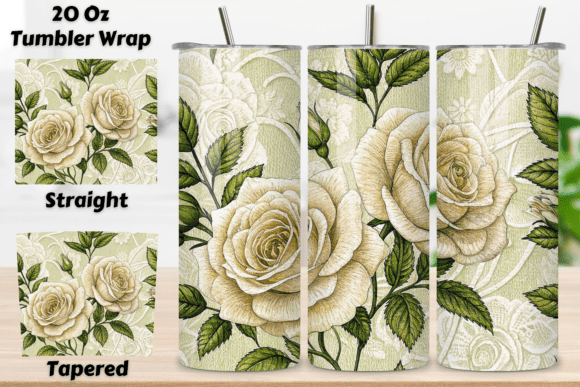
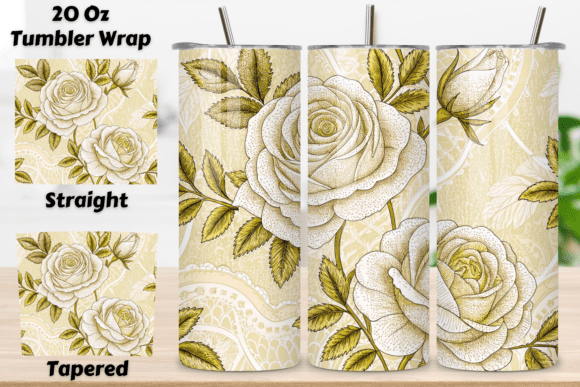
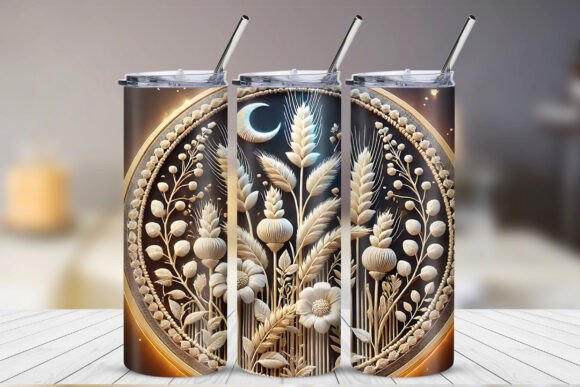
The first thing I noticed about this design is its tactile personality. The 3D Grain Embroidery Tumbler Design Wrap creates a mood that is both rustic and refined. The grain texture introduces a natural, handcrafted feel that is difficult to achieve with basic satin or fill stitches. It does not scream for attention; instead, it invites closer inspection. This is exactly the type of design that makes a handmade product feel premium. Whether you are creating a personalized gift for a wedding or building a cohesive product line for a boutique, this visual texture signals quality and intention. The straight and tapered PNG files give you options for different applications, but the underlying strength is the depth and shadow work embedded in the grain itself. It feels like a design that belongs on sturdy canvas, thick sweatshirt fleece, or a well-worn leather patch.
Real Project Performance: From Digital File to Embroidered Product
Here is the honest reality: this is a Graphics product, not a machine-ready embroidery file. You will need to digitize the PNG into a digital embroidery file using software like Wilcom, Hatch, or Embrilliance. The quality of your finished embroidery project depends entirely on how well you translate the grain effect into stitches. I recently tested this design for a custom tote bag project. The goal was to create a durable, shop-ready item for a local craft fair. The tapered PNG file was ideal because the slight curve made the design look natural on the front panel of the bag.
During digitizing, I focused on a few key areas. First, the stitch density. A medium-to-high density fill stitch, specifically a tatami fill with a short stitch length, created the best illusion of grain. It gave the surface a woven, textile feel that mirrored the digital preview. Second, the underlay. A robust edge walk underlay prevented the fabric texture of the canvas from pushing through the dense stitching. Third, the pull compensation. Because the design relies on tight, compact stitches, I had to adjust the compensation slightly outward to ensure the grain did not narrow or distort. The final test sew-out on a scrap piece of natural cotton twill was solid. The grain was visible, the edges were clean, and the design had that sought-after three-dimensional quality that customers love to touch.
Best Applications for This Design Asset
Based on my testing, the 3D Grain Embroidery Tumbler Design Wrap performs exceptionally well on structured, stable materials. Here is where I would confidently use it:
- Structured Custom Apparel: Mid-weight sweatshirts, hoodies, and structured caps. The taper in the design file helps it conform to curved surfaces like a hat crown or a raglan sleeve. I tested it on a sweatshirt embroidery project and the grain remained crisp even after moderate stretching.
- Tote Bags and Canvas Goods: The texture of the grain against a heavy canvas or denim is a winning combination. It looks like an artisan element, not a mass-produced decal. This is a perfect use case for an Etsy seller looking to upgrade their tote bag design offerings.
- Embroidered Patches: Because the design requires dense fill stitching, it produces a very stable patch. Sew it onto a beanie, a backpack, or a jacket. The tight stitches prevent fraying and help the patch hold its shape over time.
- Home Decor: Linen pillow covers, tea towels, and decorative aprons benefit from the subtle, tactile nature of the grain. It feels modern but grounded. For a holiday embroidery project, a monochrome grain design on a linen napkin set would be a sophisticated personalized gift.
- Boutique Baby Items: While I generally caution against very small items, a well-scaled version on a baby bib or a soft blanket can elevate the item significantly. Just ensure you use a soft, high-quality thread and a lightweight stabilizer to prevent the back of the embroidery from irritating sensitive skin.
A Note on Hoop Sizes, Stabilizers, and Fabric Choices
Not every fabric will do justice to this design. Let me save you some trouble based on my own mistakes. Stabilizer choice is critical. The dense fill stitch needed to create the grain effect requires a firm foundation. I recommend a medium to heavy cutaway stabilizer for most applications. For stretchy fabrics like knits or sweatshirt fleece, a no-stretch mesh cutaway is non-negotiable. Hoop size matters more than you might think. Trying to force the full 3D Grain Embroidery Tumbler Design Wrap into a tiny 4x4 hoop will compress the grain and kill the texture. You need a larger hoop, ideally a 5x7 or 6x10, to allow the grain pattern to develop properly.
Be cautious with dark fabrics. If you use a light thread colors, the subtle shadows and highlights that create the 3D grain effect can wash out completely. I tested a light beige thread on a black canvas tote, and the grain was barely visible from a distance. Mid-tone threads, variegated threads, or a two-color stitching strategy (a dark outline with a slightly lighter fill) work much better to preserve the depth. Also, avoid using this design on very thin, silky, or loosely woven fabrics without significant backinging. The stitch density can cause the fabric to pucker or the stitches to sink, ruining the grain effect entirely.
Practical Business Considerations for Etsy Sellers and Small Shops
As a craft business owner, you are always balancing design value with production efficiency. The 3D Grain Embroidery Tumbler Design Wrap offers strong visual value, but it does require more digitizing and testing time than a standard ready-to-use embroidery file. Here are my practical notes for integrating it into your product line:
- Check the License: This is a design assets listing. The license determines whether you can use it for commercial embroidery on items for sale, or if it is restricted to personal use. Always confirm the license terms before stitching it for a client or listing the finished products in your shop. Do not assume commercial rights are included just because it is a digital download.
- Use Mockups Strategically: Since the design is provided as a PNG, you can use it directly in printable mockup templates for your Etsy listings. This saves time and allows you to test different colorways and placements before you sew a single stitch. A good mockup of the grain texture will increase buyer engagement and help customers visualize the finished product.
- Test Before You Sell: I cannot stress this enough. Digitize the design and sew it out on the exact fabric you plan to use. Run it through a wash cycle. Check for thread breaks or distortion. A design that looks incredible in the PNG might require significant stitch angle adjustments to sew smoothly on a thick fleece or a lightweight linen.
- Build Trust Through Quality: When a customer receives a handmade product with a rich, textured grain design, they perceive it as a higher-value item. This builds customer trust and encourages repeat business. It differentiates your shop from competitors using basic, off-the-shelf embroidery designs.
Final Verdict for the Experienced Maker
The 3D Grain Embroidery Tumbler Design Wrap is a strong addition to any embroidery project toolkit, provided you come to it with the right expectations. It is a raw design asset that demands skilled digitizing and thoughtful production choices. It is not a plug-and-play embroidery file. If you enjoy the technical side of embroidery and take pride in creating a superior machine embroidery design from a graphics source, this is a rewarding challenge. The visual payoff is a textured, professional finish that elevates custom apparel, embroidered patches, and boutique home goods. For the small shop product maker who values quality over speed, it is well worth the investment of time and testing.