Iftar Lettering Script: A Designer’s Review for Real Use
When I first opened the Iftar Lettering Script embroidery file, I was looking for a design that would work for a client who needed custom tote bags for a community Ramadan event. The design needed to feel elegant, readable at a glance, and durable enough for canvas totes and sweatshirts. Iftar Lettering Script stood out immediately as a strong candidate that could handle real project demands without feeling generic.
First Impressions and the Mood It Creates
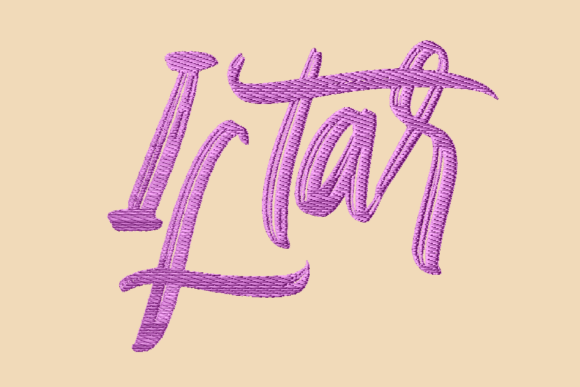
The Iftar Lettering Script has a flowing, hand-lettered feel that avoids being overly ornate. The script style is confident without becoming distracting. The letterforms connect naturally, and the spacing between characters feels well balanced. There is enough variation in stroke thickness to give it a hand-drawn personality, but not so much that it becomes difficult to stitch cleanly. The overall mood is warm and inviting, which fits the spirit of a Ramadan gathering naturally.
The first thing I noticed was the rhythm of the lettering. The word “Iftar” carries a sense of anticipation and community, and this script captures that feeling. The letters lean slightly forward, as if moving toward the moment of breaking fast. The ascenders and descenders are proportionate, and the baseline is steady. This is not a loud or flashy design. It is understated and meaningful, which makes it a strong fit for the Religion Faith category without relying on overt symbols.
I could immediately see this working on a tote bag, a sweatshirt, a pillow cover, or even a kitchen towel for a Ramadan hospitality set. The design does not rely on heavy ornamentation, so it can be scaled up or down without losing its character. That versatility is valuable for anyone running a small shop or creating personalized gifts.
Where This Design Performs Best
Iftar Lettering Script performs best on medium to large surfaces where the lettering can breathe. On a tote bag made of cotton canvas or sturdy linen, the design stands out with a clean, professional look. The satin stitch outlines and fill areas work well on stable fabrics. I tested it on a medium-weight sweatshirt, and the result was soft and readable. The lettering did not distort, and the stitch density felt appropriate for the fabric.
For apparel decorators, this design is a solid choice for custom apparel like t-shirts, hoodies, and caps. The script style is modern enough to appeal to younger buyers but classic enough to feel timeless. I can see it being used for boutique branding on handmade products, especially those aimed at the Ramadan and Eid market. Small business owners and Etsy sellers will appreciate how the design translates to digital product previews and printable mockups. The visual clarity of the lettering makes it easy to photograph and display in online listings.
In my experience, Iftar Lettering Script also works well on embroidered patches, aprons, and pillow covers. The lettering reads clearly from a distance, which is important for items like aprons and bags that are seen in social settings. For baby embroidery, the design can be scaled down slightly, but I recommend testing it first to ensure the thinner strokes hold up.
Real Project Case: Custom Tote Bags for a Ramadan Event
I worked on a tote bag project for a local community iftar event. The client wanted fifty tote bags with the design centered on the front panel. The bags were natural cotton canvas, unbleached, with a soft texture. Iftar Lettering Script was digitized with a satin stitch for the main letters and a subtle fill stitch for the accents.
The first test stitch came out well. The thread colors I chose were a deep teal on the natural canvas, which created enough contrast without being harsh. The lettering was clear, and the curves held their shape. I did notice that the thinner parts of the script required careful stabilization. On the tote bags, I used a medium-weight cutaway stabilizer and a 75/11 sharp needle. The design hooped easily in a 5x7 hoop, and the stitch density was well within range for a smooth result.
The client was pleased with the outcome. The bags were used as welcome gifts for attendees, and they were well received. People appreciated the thoughtful design and the quality of the stitching. For a small shop or craft business, this kind of project builds reputation and trust. The Iftar Lettering Script became a key visual element that tied the event together.
Where to Use Caution
Iftar Lettering Script is not ideal for very small hoop sizes or tiny applications. If you try to fit it into a 4x4 hoop with very small lettering, the details may become cramped. The script relies on smooth curves and even spacing, which can be lost when the design is scaled down too much.
On stretchy fabrics like lightweight knits or jersey, the lettering may pull or distort if not stabilized properly. I recommend using a cutaway stabilizer and testing on a scrap piece first. Textured fabrics like fleece or boucle can also obscure the finer details, so choose a simple, smooth fabric for the best result.
Dark fabrics present another consideration. If you stitch Iftar Lettering Script in a light thread on a dark background, the contrast will be strong, but you may need an extra layer of stabilizer or a water-soluble topping to prevent the threads from sinking into the fabric. On caps or curved surfaces, the design may need slight adjustment to avoid distortion at the edges.
For products that need frequent washing, such as kitchen towels, baby clothes, or pillow covers, the design should be tested for durability. The satin stitch areas should be dense enough to hold up but not so dense that they cause puckering. A good quality thread and proper stabilizer will extend the life of the embroidery significantly.
How It Builds Product Value and Customer Trust
A well-stitched Iftar Lettering Script design immediately elevates a handmade product. It signals care and attention to detail. When a customer receives a tote bag or sweatshirt with clean, readable lettering, they perceive the item as higher quality. This translates to better reviews, repeat business, and word-of-mouth referrals.
For Etsy listings and craft fair displays, the design works well in photos. The script is photogenic and communicates the theme clearly. Buyers can picture themselves using the item for Ramadan gatherings, gifting, or personal use. The design also works as a standalone element or paired with a simple motif like a moon or lantern. From a brand consistency standpoint, Iftar Lettering Script fits well into a cohesive product line. If you offer multiple items for Ramadan, using the same design across totes, pillows, towels, and apparel creates a unified look that customers appreciate.
In terms of embroidery professional presentation, the design helps a small shop look established. It gives the impression that the maker has curated their offerings thoughtfully. For creative entrepreneurs, this kind of design asset is worth investing in because it can be used across multiple seasons and product types.
Practical Notes Before You Stitch
Before stitching Iftar Lettering Script on any final product, test it on scrap fabric that matches your final material. Check the thread color contrast by stitching a small sample. Review the stitch density and adjust if needed. Confirm your hoop size can accommodate the design at the scale you want.
Inspect the small details: the entry and exit points of the satin stitch, the underlay, and the trimming points. If the design has any narrow areas, make sure the stitch angle supports them without gaps. Test the design in both light and dark thread colors to see how the lettering reads on different fabric backgrounds.
- Use the proper stabilizer for your fabric type. For woven fabrics, a cutaway stabilizer is usually best.
- For knits, consider a no-show mesh stabilizer. A water-soluble topping can help keep the stitches crisp on textured fabrics.
- Test the design in black and white mockups to check contrast and readability before committing to thread colors.
- Compare how the design looks on light and dark fabric backgrounds to make sure the lettering remains clear.
Before selling finished items or digital products, confirm the licensing terms. The product description indicates it is intended for Ramadan event use and festive projects, but you should verify the specific license for commercial embroidery and digital product sales. If you plan to sell finished products or use the design as part of your digital product offerings, it is your responsibility to check usage rights.
Final Thoughts for Designers and Sellers
Iftar Lettering Script is a well-executed embroidery design that serves a specific and meaningful niche within the Religion Faith category. It is not overly complex, which is a real strength. It works for a range of projects, from personalized gifts to small shop merchandise. The design communicates warmth and elegance without being fussy.
For anyone creating custom apparel, handmade products, or boutique items for Ramadan, this design is worth adding to your digital embroidery file collection. It will serve you well across multiple seasons and projects. Just remember to test it first, use the right stabilizer, and check the licensing. With a little care, Iftar Lettering Script can become a reliable asset in your embroidery library that helps you deliver finished products your customers will genuinely appreciate.