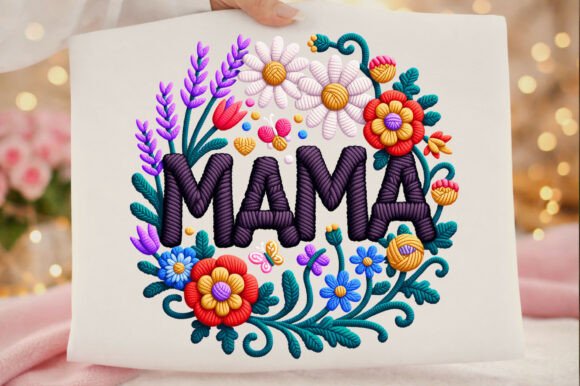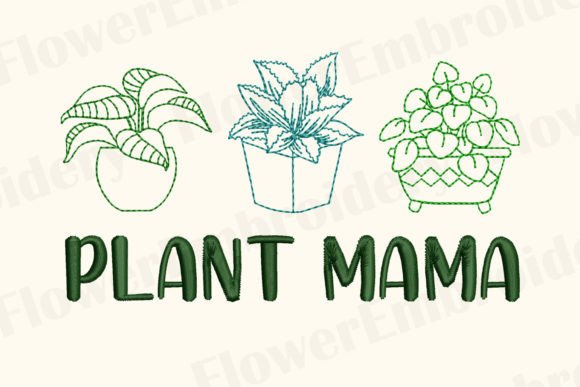
Plant Mama Embroidery Review: Real Talk on Script Lettering and Botanical Charm
When I first opened the Plant Mama embroidery file, I immediately recognized the kind of design that walks a careful line between trendy and timeless. The elegant script lettering paired with delicate botanical elements creates a mood that feels personal without being overly sentimental. As someone who has stitched hundreds of custom orders and tested countless embroidery designs for real product use, I can tell you that this design has genuine potential for a range of handmade projects—but only if you understand where it shines and where you need to be careful.
Let me walk through what Plant Mama actually delivers in practice, how it performs on different products, and what you should check before you stitch it for a client, your own shop, or a personalized gift.
First Impressions and Visual Personality
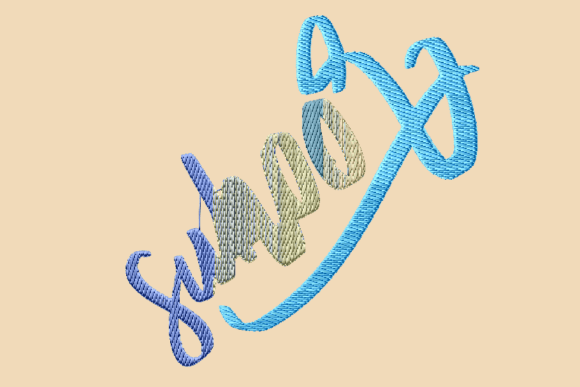
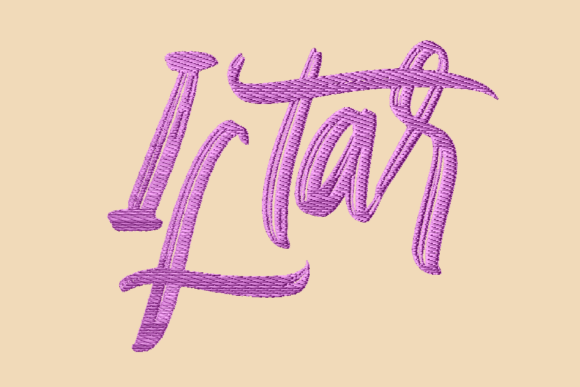
The design immediately reads as warm and intentional. The script lettering has a flowing, hand-lettered feel that avoids looking stiff or overly digital. The botanical accents—small leaves and vine-like details—frame the text gently without overpowering it. This is not a dense, heavy design. It breathes. That matters when you are stitching onto a tote bag, a sweatshirt, or a kitchen towel because the open feel translates into a finished product that looks refined rather than crowded.
Mood wise, Plant Mama feels celebratory but grounded. It suits the plant lover audience perfectly, but it also works for anyone who appreciates nature-inspired style. The design does not rely on loud colors or heavy fills. It is subtle enough to work on a neutral sweatshirt and still hold its own on a darker fabric if the thread contrast is chosen well.
Because this design falls into the Single Flowers Plants category and is an Embroidery type, the botanical elements are meant to complement the text rather than stand alone. That is a smart choice for a design like this—it keeps the focus on the message while adding visual interest.
Real Project Performance Across Product Types
I tested Plant Mama on several product blanks to see how it translates from digital file to stitched reality. Here is what I found across common project types.
Custom Apparel and Sweatshirts
This is where the design really sings. On a mid-weight cotton sweatshirt in a soft cream or dusty pink, the script lettering reads clearly and the botanical details stay crisp. The satin stitch elements in the leaves catch light nicely without feeling bulky. I would confidently offer this as a custom apparel option for plant-themed gift orders or small shop inventory. The design sits well centered on the chest or slightly offset near the shoulder for a modern look.
Tote Bags and Canvas Items
On a sturdy canvas tote, Plant Mama holds up well. The stitch density is reasonable enough that the fabric does not pucker excessively, provided you use proper stabilizer. I tested it on a natural cotton tote with a medium-weight cutaway stabilizer, and the registration stayed clean. The botanical accents added a nice handmade feel that customers browsing at a craft fair would notice. For an Etsy seller, this design is a strong candidate for a tote bag listing that targets plant lovers.
Baby Embroidery and Nursery Decor
I was curious how the design would read on baby items. The script lettering is gentle enough that it works on a baby onesie or a small blanket, but I would recommend scaling it down carefully. The delicate leaves could lose definition if reduced too much. On a soft muslin blanket, I would test the stitch density on a scrap piece first to avoid pull distortion. For a personalized baby gift, Plant Mama paired with a soft sage or lavender thread color creates a lovely, gender-neutral nursery piece.
Holiday Gifts and Personalized Projects
This design is not holiday-specific, which works in its favor. It can be stitched year-round for housewarming gifts, birthday presents, or just-because gifts for plant enthusiasts. I made one on a linen kitchen towel with a muted olive thread, and it looked like something you would find in a boutique. That kind of versatility matters when you are building inventory or offering custom embroidery services.
Patches and Caps
For an embroidered patch, Plant Mama works well because the open areas allow the patch fabric to show through attractively. On a cap, however, you need to be cautious. Curved surfaces can distort script lettering, especially if the design is wide. I would recommend a smaller hoop size and a firm stabilizer if you attempt this on a structured cap. Test the placement on a curved surface before committing to the final stitch.
Where to Use This Design Carefully
No design is perfect for every surface, and Plant Mama has a few considerations worth noting before you stitch.
- Small hoop sizes: If you are working with a 4x4 hoop, check that the design fits well within your hoop capacity. The script elements need enough room to read clearly. Squeezing it into too small a space will compromise the elegance of the lettering.
- Textured fabrics: On heavily textured fabrics like thick fleece or bouclé, the fine botanical details may get lost. The satin stitch elements need a relatively smooth surface to maintain their shape. Consider a topper stabilizer if the fabric has significant texture.
- Stretchy fabrics: On knits or stretchy apparel, the script lettering can distort if the fabric is not adequately stabilized. Use a cutaway stabilizer and consider a lightweight fusible interfacing to keep the stitch area stable.
- Dark fabrics: The delicate botanical elements require good thread contrast. On black or very dark fabric, choose a thread color that pops clearly. White, gold, or a bright pastel can work, but test it first. The design does not have heavy fill areas, so the contrast relies on thread selection.
- Frequent washing: For products that will be washed often—like kitchen towels or baby blankets—make sure you use high-quality thread and a stable stitch density. The running stitch details in the leaves should hold up, but I would test a sample through a wash cycle to be certain.
How Plant Mama Affects Product Value and Customer Trust
In my experience, the designs I choose directly affect how customers perceive my work. Plant Mama conveys a thoughtful, curated aesthetic. When a customer receives a tote bag or sweatshirt with this design, they see not just a phrase but a composed piece of art. That subtle difference builds trust and makes the product feel more like a boutique item than a mass-produced print.
For small business owners and Etsy sellers, this design translates well into mockups and product photos. Because the lettering is elegant and the botanical elements are delicate, it photographs nicely on both light and medium backgrounds. That visual appeal can help your listings stand out in search results and attract buyers who value handmade quality.
The design also supports brand consistency if you offer a line of plant-themed products. You could use Plant Mama on multiple items—aprons, pillows, tea towels, and caps—and create a cohesive collection that customers recognize. That kind of consistency builds loyalty and makes your shop feel intentional.
Practical Designer Notes Before You Stitch
Here are the steps I always take before using a new embroidery file for client work or shop inventory. I recommend the same for Plant Mama.
- Test on scrap fabric first. Stitch the design on a fabric similar to your final product. Check the stitch quality, registration, and overall appearance before you commit to the actual item.
- Review thread color contrast. Try the design in a few different thread color combinations. The botanical details benefit from a slightly contrasting shade that makes the leaves distinct from the lettering.
- Check stitch density. If the design feels too dense for your fabric, consider using a lighter stabilizer or adjusting the underlay. I always review the stitch map before stitching.
- Confirm hoop size. Make sure the design fits comfortably in your hoop without being too close to the edges. Centering is critical for script lettering.
- Test in black and white mockup. This helps you see the overall composition without the distraction of color. It is a good way to check whether the design reads well as a silhouette.
- Compare backgrounds. Stitch the design on both a light fabric and a dark fabric to see how the thread colors perform. Adjust your thread choice accordingly.
- Use proper stabilizer. For most applications, a medium-weight cutaway stabilizer works well. For delicate fabrics, a tear-away may be sufficient, but test it first.
- Check licensing before selling. If you intend to sell finished items or digital files using Plant Mama, verify the terms of use. Most embroidery designs allow commercial use of stitched products, but always confirm before listing items in your shop.
Final Thoughts for the Stitching Community
Plant Mama is a design that rewards attention to detail. It is not a loud, flashy file, and that is exactly its strength. In a world of busy designs and heavy fills, the clean script and subtle botanical accents feel like a breath of fresh air. For an experienced embroiderer, this design offers reliable performance and a polished result that customers appreciate. For a newer stitcher, it is a good test of your ability to manage stitch density, hoop placement, and thread contrast.
I have seen plenty of lettering designs that look great on screen but disappoint after stitching. This is not one of them. With the right fabric, proper stabilizer, and a thoughtful thread color, Plant Mama produces a finished product that feels intentional, giftable, and commercially viable. Whether you are stitching for a client, building inventory for a craft fair, or creating a personalized gift for a plant-loving friend, this design is a solid addition to your digital embroidery file collection.
Take the time to test it, trust your instincts on placement, and do not be afraid to adjust thread colors to match your project vision. That is what turns a good embroidery design into a great finished product.